





















 Saudi Arabia
 UAE
 Qatar
 Bahrain
 Kuwait
 Oman
 Lebanon
 Egypt
 Jordan
 Iraq
 India
 UK
 Ireland
 Germany
 USA
 Australia
 Singapore
 South Africa
 France
 Hungary
 Georgia
 Turkey
 Canada
 LagosNigeria




ERPNext Implementation in Saudi Arabia
An ERPNext rollout succeeds or fails on the plan behind it. We run Saudi implementations in short, signed-off phases, test every Fatoora scenario in the ZATCA sandbox and choose a go-live date that keeps your VAT period clean.
- Company and ledger design
- Process configuration
- ZATCA sandbox cycle
- Data migration
 ERPNext & FrappeImplementation · migration · AMC
Get a free quote
Reply within 24 hours with scope and a fixed quote.
ERPNext Implementation in Saudi Arabia: the short answer
- Approach
- Phased delivery with a sign-off at the end of each phase, so nothing reaches production untested.
- Who is involved
- A named project lead from Shyphan, plus a process owner from finance, operations and HR on your side.
- ZATCA testing
- Every invoice type, credit note and debit note is run through the ZATCA sandbox before production onboarding.
- Go-live timing
- Usually the first day of a VAT period, so one return never mixes two systems.
- Delivered by
- Shyphan AI Solutions, an ERPNext implementation partner and Zoho Premium Partner, with 24/7 support. Call +966 54 176 1946.
- Last reviewed
- 27 November 2026
What a Saudi ERPNext implementation actually involves
Picture a food producer in Riyadh's Second Industrial City with a factory, two cold stores and a fleet of delivery vans. Today production plans live in Excel, sales orders arrive by WhatsApp, invoices come from a small accounting package and payroll sits with an external bureau. Moving that business onto ERPNext is not a software installation. It is a change in how orders, stock, costs and people are recorded every day.
Our implementation method breaks that change into pieces your team can absorb. Finance and VAT come first because ZATCA compliance cannot wait. Stock, purchasing and manufacturing follow once the ledger is trusted. Frappe HR joins when salary structures and GOSI mappings have been checked against the last few payrolls. Each phase ends with your managers signing that the system does what was agreed.
We also plan for the people side. Storekeepers who have used paper for years need different training from accountants moving off another package, and branch managers want to see their own numbers on day one. The plan names a champion in each department, books training close to go-live so it is fresh, and sets aside time in the first month for the questions that only appear once real orders start flowing.
From first record to the finished report
One open-source system, so each step feeds the next without re-keying.
The workstreams inside every rollout
Company and ledger design
Legal entities, branches, cost centres and a Saudi chart of accounts agreed with your accountant before a single transaction is entered.
Process configuration
Selling, buying, stock and manufacturing settings, naming series, approval workflows and user roles that match how your people already divide the work.
ZATCA sandbox cycle
Standard and simplified invoices, returns, advance payments and discounts are generated against the sandbox until every case passes, with the XML kept for review.
Data migration
Customers, suppliers, items, price lists, opening stock and ledger balances loaded through templates, then reconciled against your old trial balance.
Role-based training
Short sessions for cashiers, storekeepers, accountants and approvers, in Arabic or English, using your own items and customers on the staging site.
Cut-over plan
A written checklist covering the stock count, final invoices in the old system, CSID onboarding, opening entries and who does what in the first week.
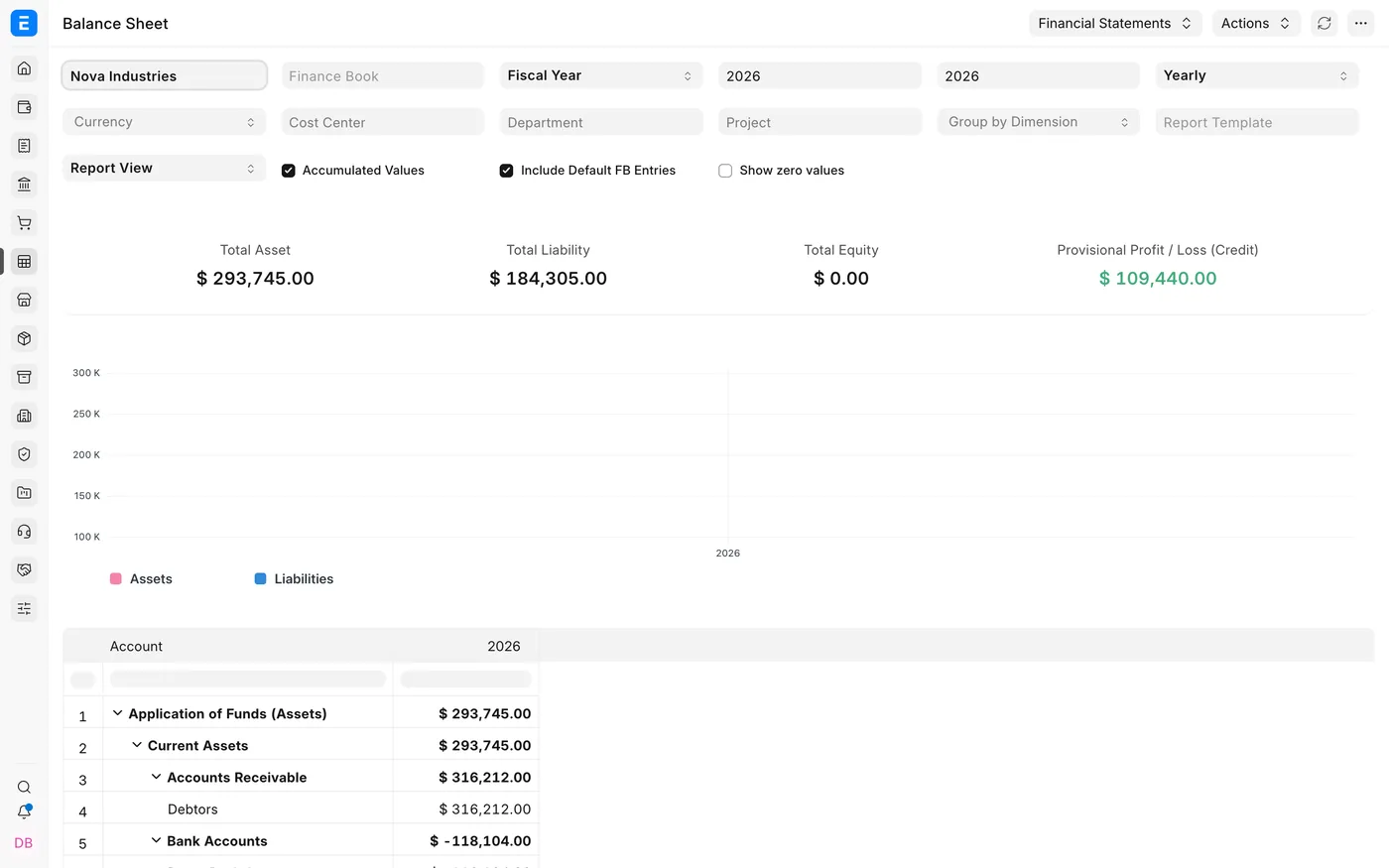
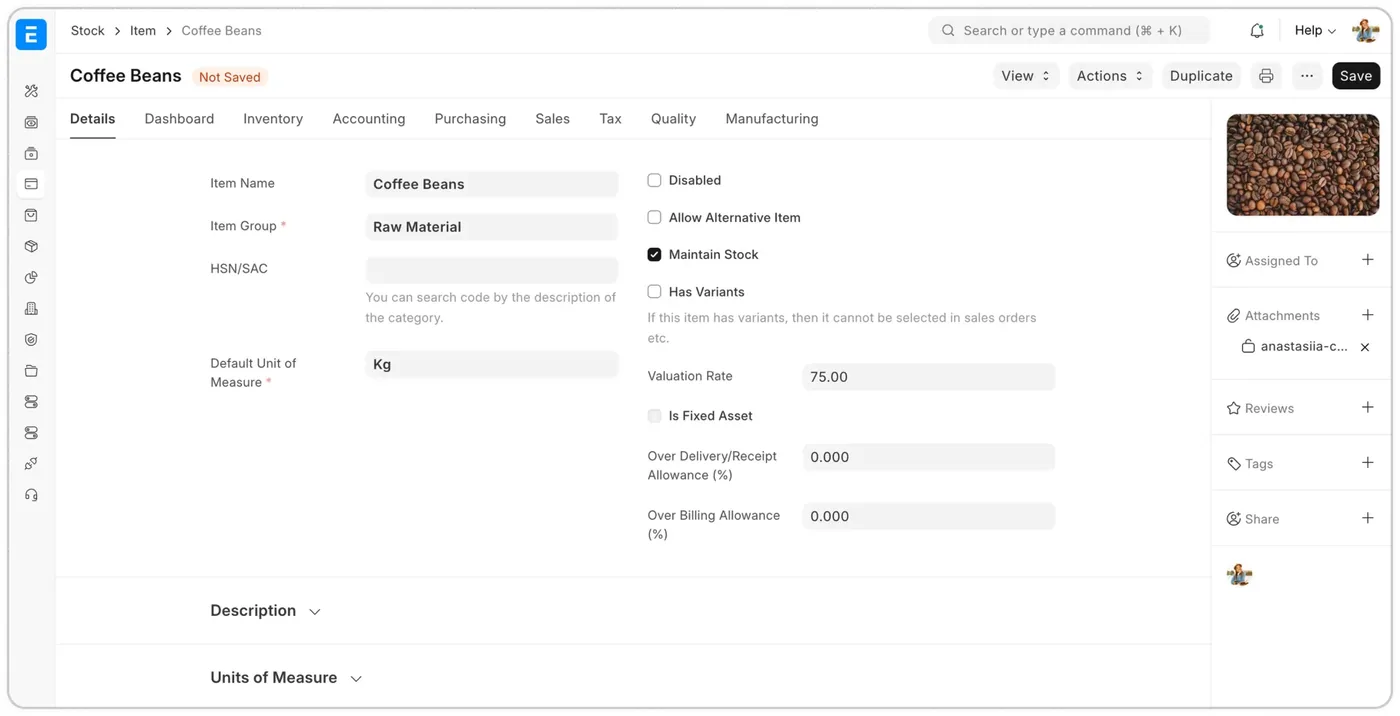
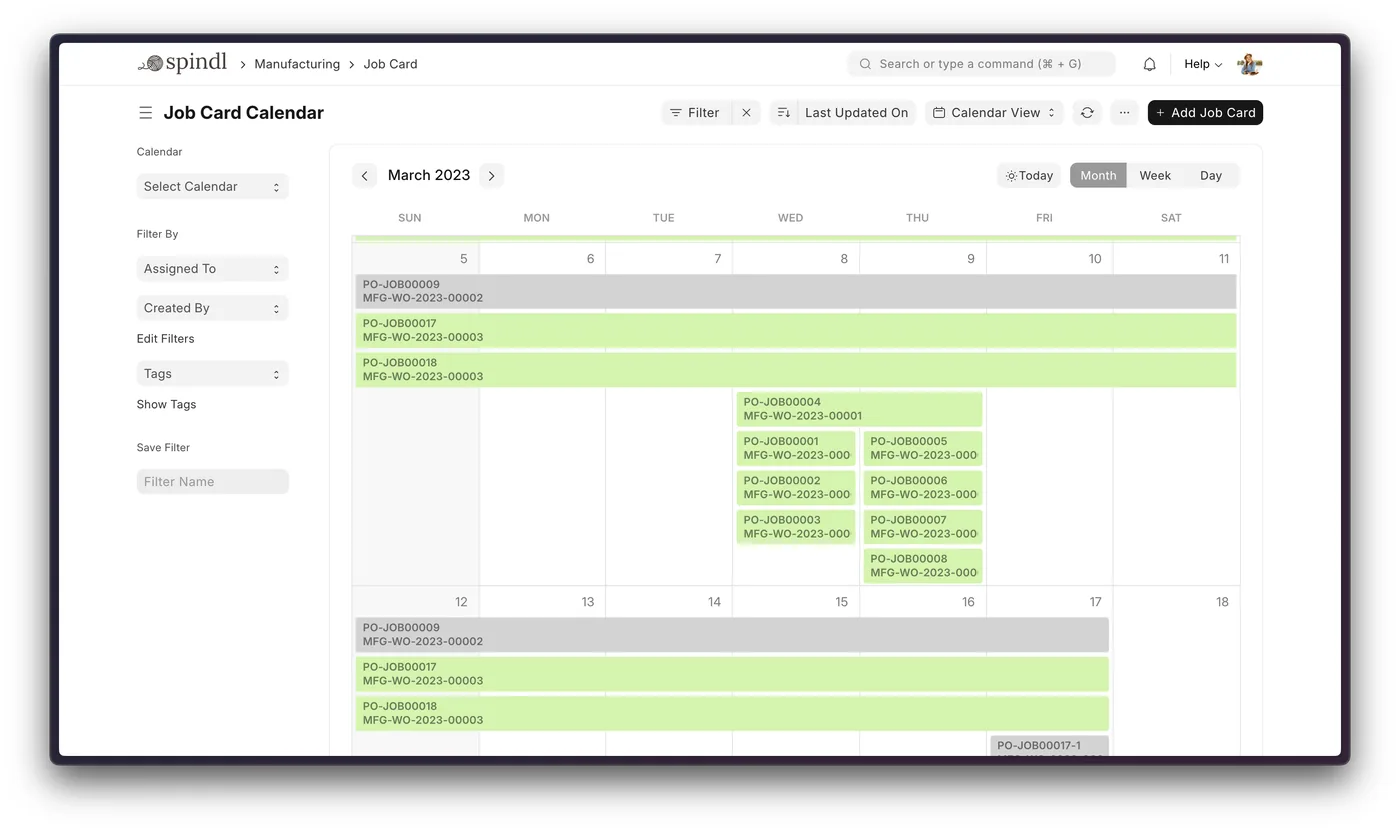
See it in ERPNext
Real ERPNext and Frappe screens for the work described on this page. We configure them for Saudi rules and your data.
ERPNext and the Frappe apps we implement
One open-source platform, one database, no per-user licence fees.







Saudi requirements we build into the plan
| Topic | The Saudi rule | What we set up |
|---|---|---|
| ZATCA wave | Phase 2 applies in waves. Wave 25 covers taxpayers whose VAT-subject revenue passed SAR 187,500 in 2022, 2023, 2024 or 2025, with integration from 1 February 2027. | We confirm your wave notice at kick-off and plan the project so Fatoora integration is live and tested before your date. |
| VAT periods | Businesses with annual taxable supplies above SAR 40 million file monthly; others file quarterly. | Go-live is scheduled for the start of a period, and the old system's last return is reconciled before ERPNext takes over. |
| Arabic on invoices | ZATCA guidelines require Arabic on the human-readable invoice, with other languages allowed alongside. | Bilingual print formats are designed and approved during the build phase, not left until the week before launch. |
| Tamper resistance | E-invoice solutions must prevent undetected changes to invoices and keep the stamping key from being exported. | Submitted invoices are locked, cancellations go through credit notes, and CSID keys are stored by the ZATCA app on the server. |
We configure the system and check it against your accountant’s figures; we are not tax advisers, and your accountant files the returns. Last reviewed 27 November 2026.
Implementation phases, one sign-off at a time
Phase 0: discovery
Two to four workshops per department produce a process map, a module list, a data inventory and a risk register. You approve the scope before configuration starts.
Phase 1: finance and VAT
Ledger, VAT templates, receivables, payables, banking and the ZATCA app go first, tested in the sandbox with your real invoice layouts.
Phase 2: operations
Stock, purchasing, selling and, where needed, manufacturing are configured and tested with live-like volumes from your own history.
Phase 3: people
Frappe HR, salary structures, GOSI components and the gratuity rule are parallel-run against at least one historic payroll before they replace the bureau.
Phase 4: go-live and hypercare
Production onboarding, opening balances, the switch, then daily check-ins for the first weeks while users settle and small fixes are made.
Every ERPNext page for Saudi businesses
Services
Compliance
Industries
Other countries
Worldwide

Written and reviewed by Vikas Saroj, Co-Founder, COO & Growth at Shyphan AI Solutions, who owns ERPNext, Odoo and Zoho delivery across Saudi Arabia and the wider region. Reviewed against current Saudi rules on 27 November 2026. Meet the team · LinkedIn
ERPNext Implementation in Saudi Arabia: questions answered
How long does an ERPNext implementation take in Saudi Arabia?
Can we go live with finance first and add other modules later?
Who from our side needs to be involved?
Is Shyphan an official Frappe partner?
What happens to invoices issued in our old system?
Do we pay licence fees after go-live?
Request your free quote
Tell us about your project and a senior ERPNext consultant - not a bot - replies within 24 hours with scope, timeline and a fixed quote. The first 30-minute discovery call is free, with no obligation.
- Free 30-minute discovery call
- Fixed-quote SOW - no surprises
- Arabic · English delivery
- VAT 15%, ZATCA, GOSI & mada ready