





















 Saudi Arabia
 UAE
 Qatar
 Bahrain
 Kuwait
 Oman
 Lebanon
 Egypt
 Jordan
 Iraq
 India
 UK
 Ireland
 Germany
 USA
 Australia
 Singapore
 South Africa
 France
 Hungary
 Georgia
 Turkey
 Canada
 LagosNigeria




ERPNext for Construction Companies in Saudi Arabia
Contractors live or die by project margin, and margin disappears when material, labour and subcontractor costs are not tied to the right project in time. We set up ERPNext for Saudi contracting companies so every purchase, timesheet and invoice lands on a project, and progress bills, retention and advances are tracked properly.
- Project budgets
- Progress billing
- Retention tracking
- Subcontractor management
 ERPNext & FrappeImplementation · migration · AMC
Get a free quote
Reply within 24 hours with scope and a fixed quote.
ERPNext for Construction Companies in Saudi Arabia: the short answer
- Project control
- Budgets by cost head, committed costs from purchase orders and actual costs from bills, timesheets and stock issues.
- Billing
- Progress invoices against contract value or milestones, with retention and advance recovery tracked per project.
- Site stores
- Materials issued from site warehouses to projects, with transfers and returns recorded.
- People
- Frappe HR for site crews with GOSI by nationality, overtime and end-of-service provisions.
- Delivered by
- Shyphan AI Solutions, an ERPNext implementation partner and Zoho Premium Partner, with 24/7 support. Call +966 54 176 1946.
- Last reviewed
- 27 November 2026
Why contractors struggle with generic accounting systems
A mid-sized contractor in Riyadh may have a dozen projects running at once: villas, a school extension, fit-out for an office tower and civil works on a road package. Each has a contract value, a bill of quantities, a programme, subcontractors, a site store and crews moving between sites. In a typical accounting package, costs are booked to expense accounts and only later allocated to projects, if at all. By the time the quantity surveyor sees a loss, the money has gone.
ERPNext treats the project as a dimension on every transaction. Purchase orders carry the project and cost head, so committed cost is visible before the supplier invoice arrives. Site stores issue materials against the project. Timesheets and payroll costs are allocated by site. Subcontractor bills post directly to the project. Progress invoices, retention and advance recoveries are recorded against the same project, so the project manager, finance and the owner look at one set of numbers.
Cash flow is the other pressure point. Contractors often wait months for certified claims while paying suppliers, subcontractors and crews every month. Seeing billed but unpaid claims, retention held by clients and payments due to subcontractors in one place lets finance plan facility drawdowns and supplier payments realistically, instead of discovering a gap when salaries fall due.
From first record to the finished report
One open-source system, so each step feeds the next without re-keying.
ERPNext set-up for Saudi contractors
Project budgets
Budgets by cost head, such as concrete, steel, MEP, labour and subcontract, with alerts when committed or actual cost approaches the limit.
Progress billing
Invoices based on certified progress or milestones, showing contract value, previous claims, this claim, retention and advance recovery.
Retention tracking
Retention held by clients and retention you hold from subcontractors recorded in separate accounts, with release dates followed up.
Subcontractor management
Subcontract orders, measured work, subcontractor bills with retention and advance deductions, and statements per subcontractor.
Site stores
A warehouse per site, material requests from site engineers, transfers from the central store and stock issues charged to the project. Stock left at a site when a project closes is transferred back or written off with approval.
Equipment and crews
Plant and vehicles as assets allocated to projects, crew timesheets by site and payroll costs distributed to the projects where people worked.
See it in ERPNext
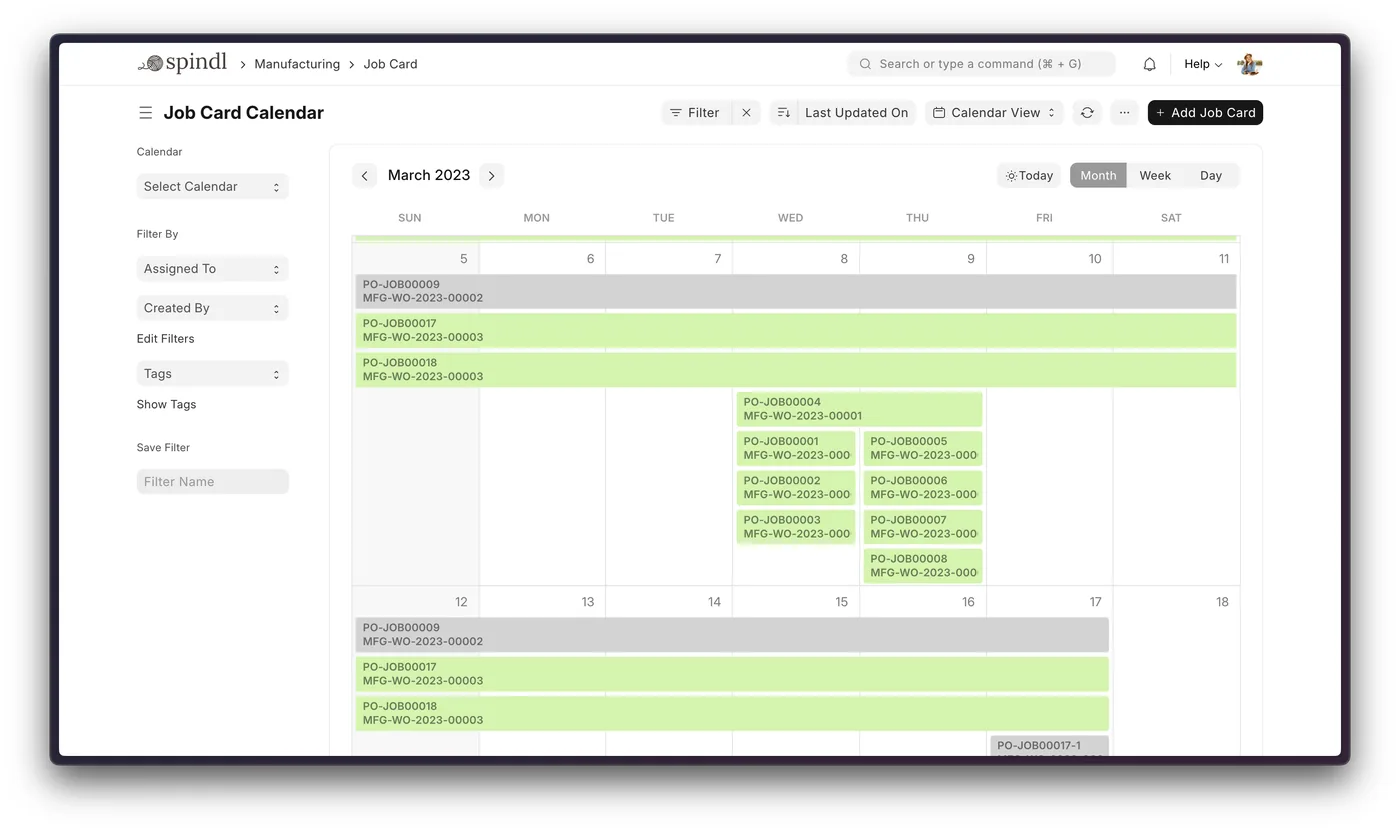
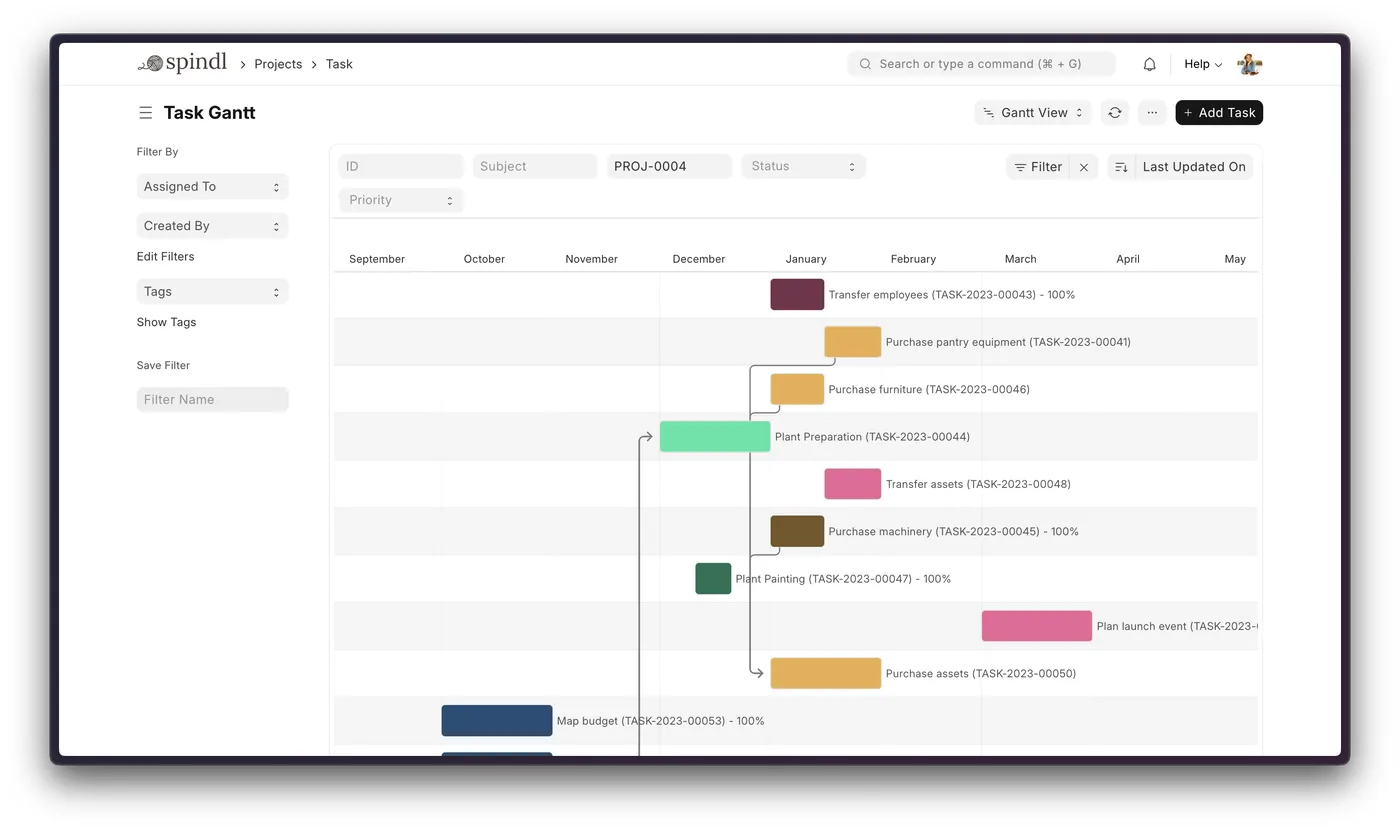
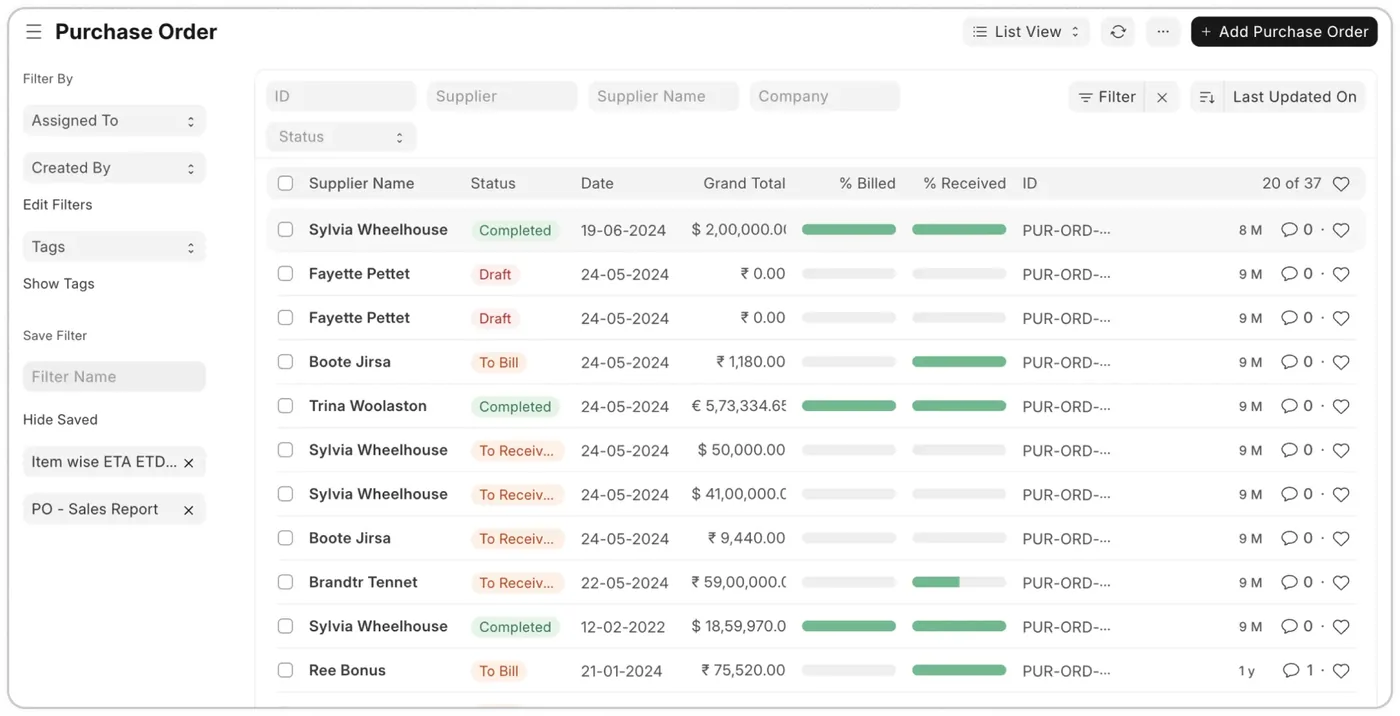
Real ERPNext and Frappe screens for the work described on this page. We configure them for Saudi rules and your data.
ERPNext and the Frappe apps we implement
One open-source platform, one database, no per-user licence fees.







Saudi rules that matter to contractors
| Topic | The Saudi rule | What we set up |
|---|---|---|
| Progress invoices | Progress invoices to VAT-registered clients are standard tax invoices, so under Phase 2 they must be cleared by Fatoora before they reach the client. | Each progress claim is submitted through the ZATCA app, and the cleared invoice with its QR code is what goes to the client or consultant. |
| Retention and advances | The VAT timing of retention and advance payments depends on contract terms and VAT rules, which your tax adviser confirms. | We configure retention and advance accounts and invoice types to match the treatment your adviser approves, and test them in the ZATCA sandbox. |
| Site workforce | GOSI occupational hazards cover at 2% applies to every worker, and Saudi employees also contribute to annuities and SANED. | Salary structures for labourers, foremen and engineers with GOSI components, site allowances and overtime from timesheets. |
| End of service | End-of-service awards follow the Labour Law: half a month's wage for each of the first five years, one month for each later year, reduced on resignation. | A gratuity rule and monthly provision per employee, so the liability is booked as it builds rather than at the end of a contract. |
| Saudisation | Nitaqat bands depend on the share of Saudi staff, and construction has its own thresholds under the developed programme. | Headcount by nationality and establishment from Frappe HR, for HR to compare with Qiwa before recruiting. |
We configure the system and check it against your accountant’s figures; we are not tax advisers, and your accountant files the returns. Last reviewed 27 November 2026.
How we set up ERPNext for a contracting company
Agree the cost structure
Finance, commercial and project managers agree cost heads, project codes and how overheads are allocated, which shapes every report later.
Load live projects
Each running project arrives with its contract value, budget, certified progress to date, retention balances and open commitments.
Configure billing
Progress invoice formats, retention and advance accounts, and the ZATCA app are set up and tested on sample claims in the sandbox.
Set up sites and stores
Site warehouses, material request approvals and subcontract orders are configured, and site engineers are trained on mobile screens.
Monthly project review
After go-live we help finance and project managers run the first monthly cost reports and fix any allocation gaps, so the reports are trusted from the first quarter.
Every ERPNext page for Saudi businesses
Services
Compliance
Industries
- ERPNext for Manufacturing in Saudi Arabia
- ERPNext for Trading Companies in Saudi Arabia
- ERPNext for Construction Companies in Saudi Arabia
- ERPNext for Retail in Saudi Arabia
Other countries
Worldwide

Written and reviewed by Vikas Saroj, Co-Founder, COO & Growth at Shyphan AI Solutions, who owns ERPNext, Odoo and Zoho delivery across Saudi Arabia and the wider region. Reviewed against current Saudi rules on 27 November 2026. Meet the team · LinkedIn
ERPNext for Construction Companies in Saudi Arabia: questions answered
Can ERPNext produce progress invoices with retention?
How are subcontractors handled?
Can site engineers request materials from the site?
Is Shyphan an official Frappe partner?
Can we compare budget with actual cost per project?
Is there a licence cost for site users?
Request your free quote
Tell us about your project and a senior ERPNext consultant - not a bot - replies within 24 hours with scope, timeline and a fixed quote. The first 30-minute discovery call is free, with no obligation.
- Free 30-minute discovery call
- Fixed-quote SOW - no surprises
- Arabic · English delivery
- VAT 15%, ZATCA, GOSI & mada ready