





















 Saudi Arabia
 UAE
 Qatar
 Bahrain
 Kuwait
 Oman
 Lebanon
 Egypt
 Jordan
 Iraq
 India
 UK
 Ireland
 Germany
 USA
 Australia
 Singapore
 South Africa
 France
 Hungary
 Georgia
 Turkey
 Canada
 LagosNigeria




ERPNext Implementation in Bahrain
Implementation is where ERPNext becomes your system rather than a generic one. In Bahrain we often work with manufacturers and fabricators, so this page walks through a manufacturing rollout, from bills of materials to VAT-ready invoices.
- Bills of materials and routings
- Work orders and job cards
- Projects for installation
- Quality inspections
 ERPNext & FrappeImplementation · migration · AMC
Get a free quote
Reply within 24 hours with scope and a fixed quote.
ERPNext Implementation in Bahrain: the short answer
- Good fit
- Manufacturers, fabricators, contractors, distributors and service companies with stock, projects or both.
- Modules
- Accounting, buying, stock, manufacturing, selling, projects and quality, with Frappe HR in the same or a later phase.
- Method
- Prototype first: we configure a working slice of your business early, then extend it.
- Delivery
- Remote with workshops in Bahrain at discovery, prototype review and go-live.
- Delivered by
- Shyphan AI Solutions, an ERPNext implementation partner and Zoho Premium Partner, with 24/7 support. Call +91 95651 53545.
- Last reviewed
- 27 November 2026
A manufacturing rollout in Bahrain
Bahrain has a long downstream aluminium tradition built around the Alba smelter, and a ring of fabricators, extruders and metal workshops in areas such as Sitra and the industrial parks. Take a typical aluminium fabricator making windows, doors and facade panels for building projects in Bahrain and Saudi Arabia. It buys profiles, glass and hardware, cuts and assembles to order, installs on site and bills in stages. Margins depend on scrap, labour and how accurately each job was quoted.
ERPNext's Manufacturing module covers bills of materials, routings, workstations, work orders, job cards and material consumption. Projects tracks installation costs, and Selling handles quotations and stage invoices. Implementation joins these pieces so a quotation becomes a sales order, the order generates work orders, job cards record labour and scrap, and the finished panels are delivered and invoiced with VAT. The fabricator can then compare quoted and actual cost for every job.
We start with a prototype: one product family, one customer, one job, configured end to end in a test site within the first weeks. Your team tests that slice, we adjust, and only then do we extend to the full product range. Problems found at this stage cost little to fix, whereas the same problems found after go-live disrupt production and invoicing.
From first record to the finished report
One open-source system, so each step feeds the next without re-keying.
What we configure in a Bahrain implementation
Bills of materials and routings
Multi-level BOMs with scrap allowances, operations by workstation and costs per hour, so the system knows what a product should cost before it is made. When profile or glass prices change, BOM costs update from the latest purchase rates.
Work orders and job cards
Work orders reserve materials, job cards record start and finish times and actual quantities, and variances show up job by job. Supervisors can record progress on a tablet at the workstation instead of on paper.
Projects for installation
Site installation becomes a project with tasks, timesheets and material issues, linked to the sales order so cost to complete is always visible.
Quality inspections
Incoming inspection on glass and profiles, in-process checks and final inspection templates, with rejected stock moved to a quarantine warehouse until a supplier return or rework is decided.
Stage billing with VAT
Progress invoices against sales orders apply the right VAT template automatically, and retention amounts are tracked on the customer account.
Job profitability
Reports compare quoted, planned and actual cost for each job, showing where scrap, overtime or rework ate into the margin.
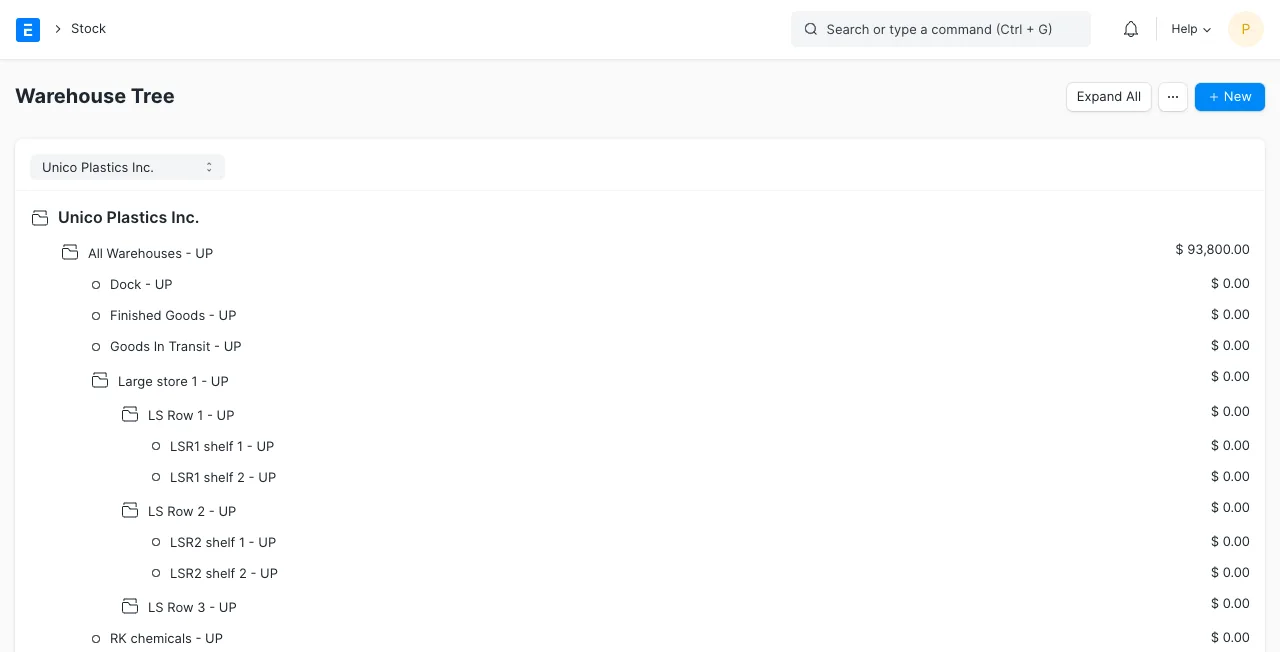
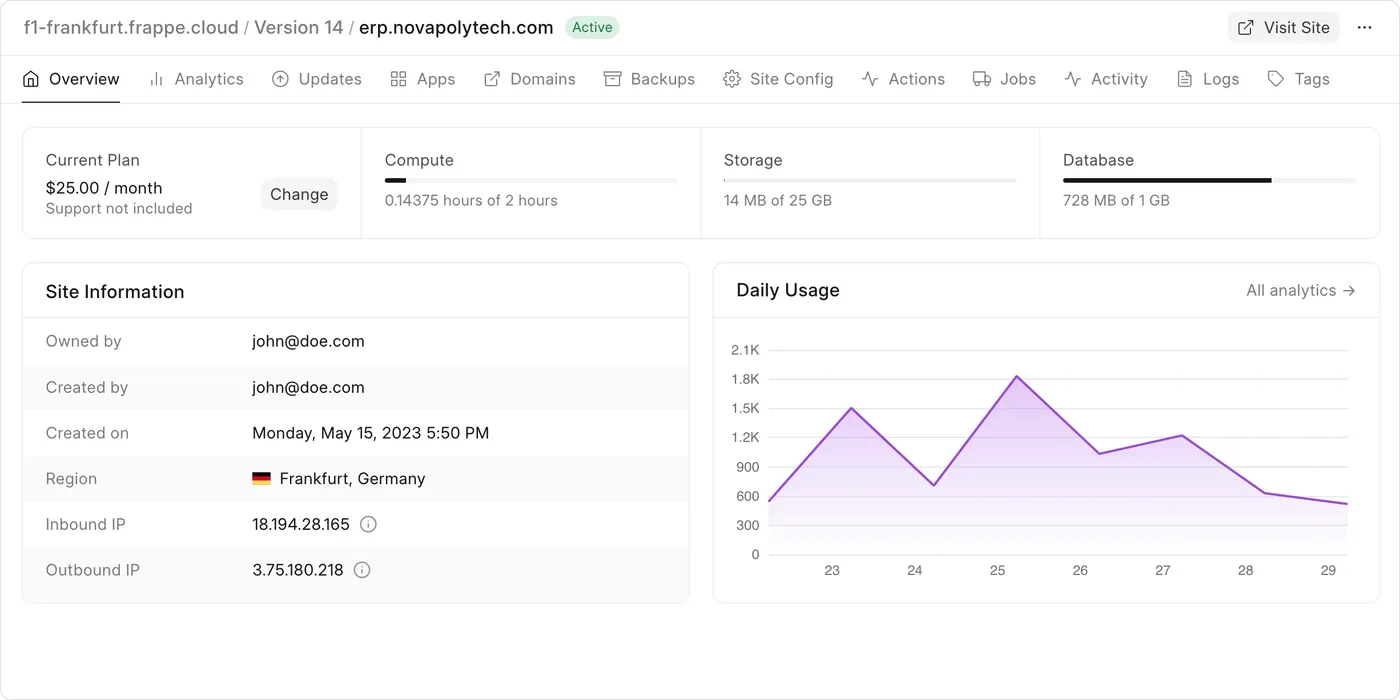
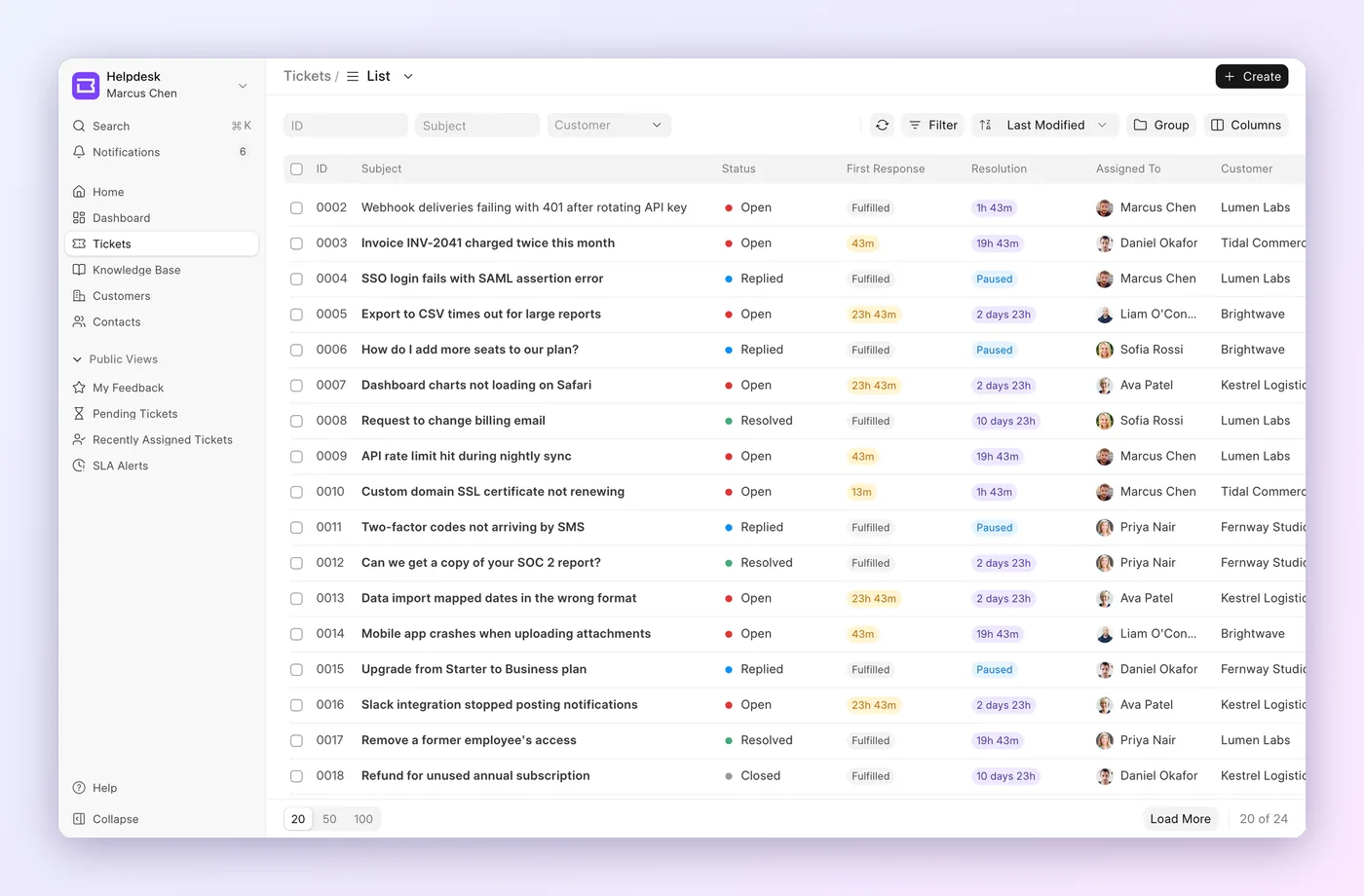
See it in ERPNext
Real ERPNext and Frappe screens for the work described on this page. We configure them for Bahraini rules and your data.
ERPNext and the Frappe apps we implement
One open-source platform, one database, no per-user licence fees.







Bahrain requirements built into implementation
| Topic | The Bahraini rule | What we set up |
|---|---|---|
| VAT on sales and purchases | The standard VAT rate is 10% from 1 January 2022, administered by the NBR. | Tax templates on items and parties, so every quotation, order and invoice carries the right VAT without users choosing it. |
| Return frequency | Businesses with annual supplies over BHD 3 million file monthly, others quarterly, by the last day of the following month. | Tax periods and a return report aligned with your frequency, tested in the dry run before go-live. |
| Expatriate end of service | Since 1 March 2024 employers pay monthly end of service contributions to SIO for expatriate staff, at 4.2% of wage for the first three years and 8.4% after. | If payroll is in scope, contribution components and a liability account for service before March 2024. |
| Large groups | Decree-Law No. 11 of 2024 introduced a 15% domestic minimum top-up tax from 1 January 2025 for multinational groups with revenue over EUR 750 million. | Entity-level trial balances and dimension reports for the group's tax team, where an entity is in scope. |
| VAT registration | Resident businesses must register for VAT once annual taxable supplies exceed BHD 37,500, with voluntary registration possible from BHD 18,750. | Your VAT number on company and print formats, and for newer businesses a running total of taxable supplies against the thresholds. |
We configure the system and check it against your accountant’s figures; we are not tax advisers, and your accountant files the returns. Last reviewed 27 November 2026.
Implementation step by step
Discovery and costing model
We study how you quote, produce, install and bill, and agree how cost should build up: materials, labour, machine time and overheads. This model decides how BOMs, workstations and cost centres are designed.
Prototype slice
One product family is configured end to end. Your planners, supervisors and accountants run a real job through it and tell us what is missing.
Full build
The rest of the product range, warehouses, approval rules and reports are added, with custom features built in a separate Frappe app.
Data load and testing
Items, BOMs, open orders, stock and balances are loaded. A full VAT period is run in the test site and reconciled.
Go-live and stabilisation
We switch at a VAT period start and stay close through the first production month and the first return, then hand over to support.
Every ERPNext page for Bahraini businesses
Services
- ERPNext Partner in Bahrain
- ERPNext Implementation in Bahrain
- ERPNext Migration in Bahrain
Locations
Other countries
Worldwide

Written and reviewed by Vikas Saroj, Co-Founder, COO & Growth at Shyphan AI Solutions, who owns ERPNext, Odoo and Zoho delivery across Bahrain and the wider region. Reviewed against current Bahraini rules on 27 November 2026. Meet the team · LinkedIn
ERPNext Implementation in Bahrain: questions answered
Is ERPNext suitable for make-to-order manufacturing?
How do you keep VAT right on every document?
Is there a licence fee for manufacturing users?
Are you an official Frappe partner?
Will you work on site in Bahrain?
Can shop floor screens be in Arabic?
Request your free quote
Tell us about your project and a senior ERPNext consultant - not a bot - replies within 24 hours with scope, timeline and a fixed quote. The first 30-minute discovery call is free, with no obligation.
- Free 30-minute discovery call
- Fixed-quote SOW - no surprises
- Arabic · English delivery
- VAT 10%, NBR & SIO ready