
 United Arab Emirates
 Saudi Arabia

Web Application Penetration Testing
Web application penetration testing examines your websites, customer portals, online stores and APIs for flaws that could expose data or let users do things they should not. It is for product teams, software vendors and businesses that run customer-facing applications.
- OWASP Top 10 and beyond
- Business-logic flaws found
- Developer-ready fix guidance
Web application penetration testing is a manual, authorised security test of websites, customer portals, online stores and APIs that looks for flaws in authentication, access control, input handling and business logic. Shyphan AI ITSM tests applications using recognised methods such as the OWASP guidance and explains each fix to developers, for organisations in the UAE and Saudi Arabia.
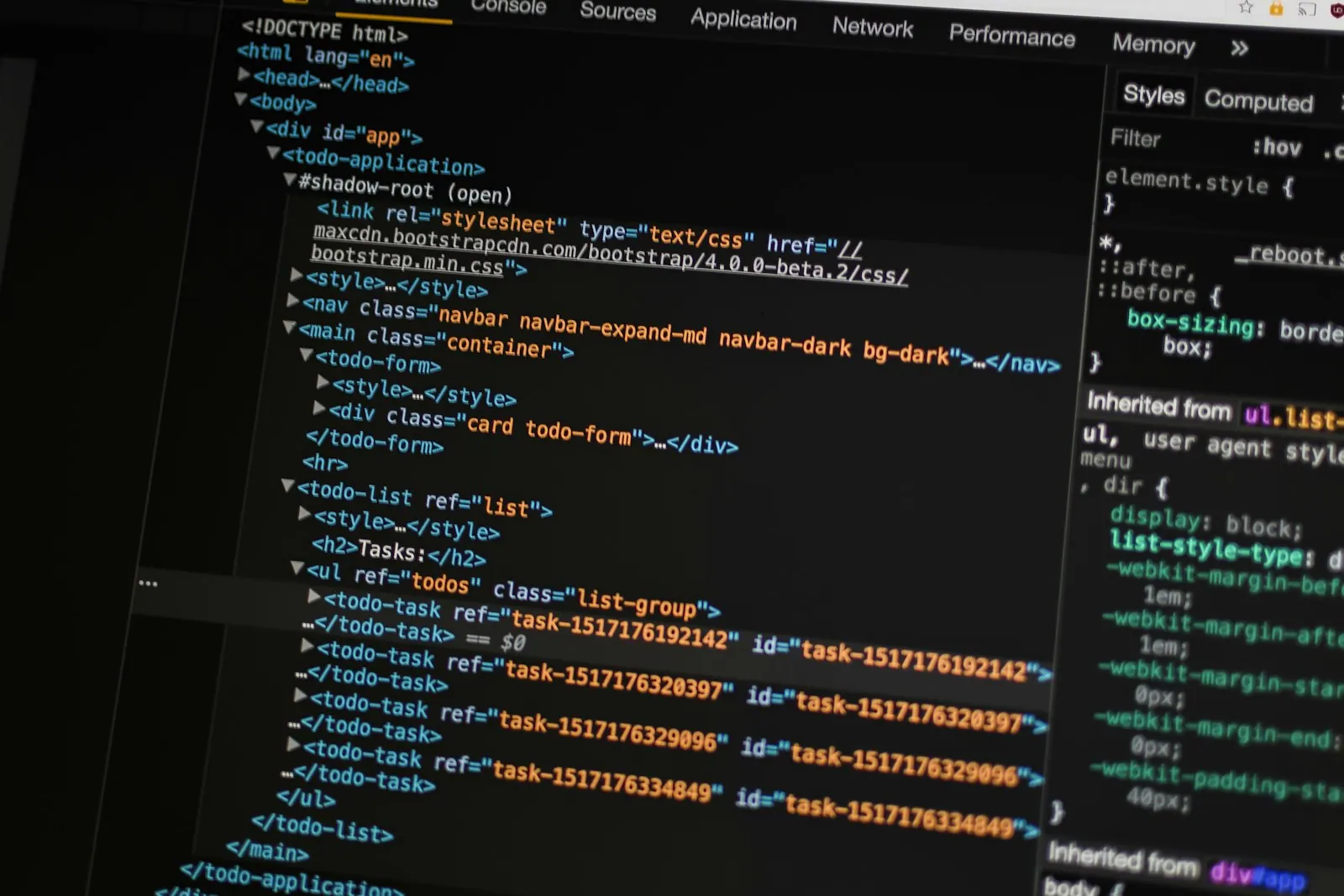 Web Application Penetration Testing
: what it involves
Web applications hold customer accounts, payments and personal data, and they are open to the internet around the clock. Automated scanners catch some injection and configuration issues, but miss the flaws that matter most to a business: one customer viewing another customer's invoices by changing an ID, a discount applied twice, an admin function reachable without the right role. Enterprise buyers often require an independent application test before signing.
Our testers combine tools such as Burp Suite with manual testing guided by the OWASP Top 10 and the OWASP Application Security Verification Standard (ASVS). We test authentication, session handling, access control between users and roles, input handling, file uploads and APIs, and spend time on the workflows unique to your application. Findings include steps to reproduce, and we brief your developers directly before retesting the fixes.
What we need from you
- 1A staging environment that mirrors production
- 2Test accounts for each user role
- 3API documentation or a Postman collection, if available
- 4Areas that must not be tested, such as live payments
- 5A developer contact for questions during testing
Our Web Application Penetration Testing scope
Websites, customer portals and APIs tested for OWASP risks and business-logic flaws.

Hands-on testing of features, roles and workflows.
Users tested for access to other accounts and admin functions.
REST and GraphQL endpoints tested for auth and data exposure.
SQL injection, cross-site scripting and unsafe file uploads.
Abuse of pricing, approvals and multi-step processes.
Findings walked through with your team before retest.
What you receive, and what shapes the cost
What you receive
- Test plan covering user roles, key journeys and API endpoints
- Findings with proof, risk rating and code-level fix guidance
- Executive summary for product owners and management
- Developer briefing session that walks through each issue
- Retest confirmation after fixes are deployed
What affects the cost
- Size of the application: pages, user roles and API endpoints
- Complexity of business logic, such as payments or approvals
- Whether mobile app back ends and third-party integrations are included
- Testing environment: staging, production or both
Web Application Penetration Testing: project phases
- 01Understand the app
We walk through roles, workflows and architecture with your team.
- 02Map and probe
Testers map every page and endpoint and test inputs and sessions.
- 03Exploit and confirm
Flaws are confirmed with safe proof and assessed for real impact.
- 04Fix and retest
Developers receive guidance, and fixes are retested before closure.
Common Web Application Penetration Testing mistakes
Many serious flaws appear only after login, so provide test accounts for each role.
Modern apps expose most of their data through APIs, so include them in scope.
Testing just before launch leaves no time to fix, so test during development or staging.
Scanners cannot spot flaws such as skipping a payment step, so manual testing is essential.
Web Application Penetration Testing terms explained
- OWASP
- The Open Worldwide Application Security Project, which publishes widely used web security guidance.
- IDOR
- Insecure direct object reference: a flaw that lets one user reach another user's data by changing an identifier.
- SQL injection
- A flaw in which untrusted input changes a database query.
- Cross-site scripting (XSS)
- A flaw that lets an attacker run their own script in another user's browser.

The difference you will notice
- 01Safer customer data
Flaws found before customers or attackers find them.
- 02Fixes developers can act on
Clear reproduction steps and code-level guidance.
- 03Proof for buyers
A report to share in security questionnaires and tenders.
Five steps from assessment to always-on support
- STEP 01Assess
We review your infrastructure, security posture, assets and support model, and agree priorities.
- STEP 02Design
A clear architecture and plan, with scope, timeline and a fixed quote before work starts.
- STEP 03Deploy
We supply, install, configure and migrate, then document everything we build.
- STEP 04Manage
Ongoing support, monitoring and maintenance under agreed SLAs.
- STEP 05Improve
Regular reviews, reports and recommendations as your business grows.
Web Application Penetration Testing in the UAE and Saudi Arabia
Local offices in Ras Al Khaimah and Riyadh, remote support around the clock and on-site visits where your project needs them.

Web Application Penetration Testing in the UAE
Shyphan AI Technology LLC, RAK Free Trade Zone, Ras Al KhaimahUAE e-commerce sites, booking platforms and customer portals often process personal and payment data, so testing concentrates on account security, payment flows and data exposure. Findings support the security measures expected under the UAE PDPL, and we test bilingual Arabic and English interfaces, where input handling can differ between language versions. We support the Emirates from our Ras Al Khaimah office, remotely around the clock and on site where needed.
- Data handled in line with the UAE Personal Data Protection Law (Federal Decree-Law No. 45 of 2021), and the separate DIFC and ADGM regimes where they apply.

Web Application Penetration Testing in Saudi Arabia
Shyphan AI Technologies LLC, Malaz, King Abdulaziz Road, RiyadhSaudi applications that connect to government services, payment gateways and e-invoicing platforms need careful testing of those integration points and the data they exchange. For organisations in scope of the NCA Essential Cybersecurity Controls, web application test results also support the controls on application security and penetration testing. Our Riyadh office leads this work in the Kingdom.
- Work aligned with the Saudi Personal Data Protection Law (SDAIA) and, for government and critical infrastructure, the NCA Essential Cybersecurity Controls.
More in Cybersecurity & Compliance Services
 Core serviceVAPT & Security AuditsFind weaknesses before attackers do, with vulnerability assessments, penetration tests and clear remediation plans.Service overview VAPT & Security AuditsPenetration Testing ServicesControlled attacks on your systems that show what a real attacker could reach.Explore service
 VAPT & Security AuditsVulnerability Assessment ServicesScheduled scanning of your estate, with false positives removed and fixes ranked by risk.Explore service
 VAPT & Security AuditsCloud Security AssessmentAzure, AWS and Google Cloud reviewed for risky settings, exposed services and weak identity.Explore service VAPT & Security AuditsMicrosoft 365 Security ReviewYour Microsoft 365 tenant checked for risky settings across identity, email and sharing.Explore service
 VAPT & Security AuditsFirewall Audit & Configuration ReviewFirewall rules, firmware and admin access reviewed, with a clear clean-up plan.Explore service
Web Application Penetration Testing: common questions
What is the OWASP Top 10?
It is a widely used list of the most critical web application security risks, published by the OWASP Foundation, and a common baseline for application testing.
Do you test mobile app back ends as well?
Yes. The APIs behind mobile apps can be included in scope, and mobile app testing can be added if needed.
Should we test in production or staging?
Staging is usually preferred so testing cannot affect customers. We may run light, agreed checks on production to confirm configuration.
How long does a web application test take?
It depends on the size of the application, the number of roles and the APIs in scope. We confirm the effort after a short scoping call.
Can you test a web application built by an outside developer?
Yes. We test with permission from the application owner and hosting provider, and share findings with your developer so they can fix them.
Do you test Arabic versions of web applications in the UAE and Saudi Arabia?
Yes. We test both Arabic and English versions, because right-to-left layouts and separate content paths can introduce their own input handling flaws.
Do you provide Web Application Penetration Testing in Dubai and Riyadh?
Yes. We deliver Web Application Penetration Testing across the UAE from our Ras Al Khaimah office and across Saudi Arabia from our Riyadh office, with remote support 24/7 and on-site visits in cities such as Dubai, Abu Dhabi, Riyadh, Jeddah and Dammam where your project needs them.
Talk to us about Web Application Penetration Testing
Book a consultation or request a quote. A consultant replies with scope, timeline and a fixed price.
Prefer to talk?