
 United Arab Emirates
 Saudi Arabia

API & Middleware Integration
We build and maintain the connections that let your systems exchange data: APIs, webhooks, middleware platforms and scheduled data jobs. It is for organisations where staff copy data between systems by hand, or where existing integrations break without anyone noticing.
- Data entered once, used everywhere
- Failures logged and alerted
- Documented and maintainable
API and middleware integration connects business systems so they exchange data automatically instead of staff copying it by hand. It uses APIs, webhooks, integration platforms and scheduled data jobs, with error handling, logging and monitoring, so orders, customers, invoices and stock levels stay consistent across CRM, ERP, finance and operational systems.
 API & Middleware Integration
: what it involves
When systems do not talk to each other, people fill the gap. Orders are retyped from the website into the ERP, tickets are copied from email into the service desk, and spreadsheets are exported and re-imported every night. Where integrations do exist, they are often scripts written by someone who has left, with no logging, so a failure is only noticed when a report looks wrong.
We map which data needs to move, between which systems, how often and who owns it. Then we choose the right approach: direct API calls, webhooks, a middleware or integration platform, or scheduled jobs for systems without modern APIs. Every integration we build includes error handling, retries, logging and alerts to our service desk, plus documentation of the data mapping so it can be supported and changed later.
What we map before building
- 1The systems involved and their API options
- 2Which system is the source of truth for each record
- 3How quickly data must arrive: real time or scheduled
- 4Volumes, peak times and API rate limits
- 5Who is told, and how, when a transfer fails
Our API & Middleware Integration scope
Reliable connections between systems, with logging, retries and alerts built in.

What data moves, between which systems and how often.
Direct integrations using REST APIs and webhooks.
Integration platforms to route and transform data.
Scheduled transfers for systems without modern APIs.
Retries, logs and alerts when something fails.
Data mappings and logic recorded for future changes.
What you receive, and what shapes the cost
What you receive
- Integration map showing systems, data flows and owners
- Built and tested integrations using APIs, webhooks or middleware
- Error handling, retries and alerts for failed transfers
- Logs and dashboards showing integration activity
- Technical documentation and a support runbook
What affects the cost
- Number of systems and data flows to connect
- Quality of each system's API and documentation
- Data volume and how often it must sync
- Ongoing monitoring and change support required
API & Middleware Integration: project phases
- 01Map
We document systems, data, triggers and business rules.
- 02Design
We choose the method for each flow and define error handling.
- 03Build and test
Integrations are built in a test environment and checked against real scenarios.
- 04Run
We monitor flows, fix failures and adapt to system changes.
Common API & Middleware Integration mistakes
Silent failures leave data out of sync unnoticed, so alert on every failed transfer.
Passwords inside scripts leak and break when changed, so store secrets securely.
Two systems editing the same record cause conflicts, so decide which system is the source of truth.
Exceeding rate limits stops syncs at busy times, so design within vendor limits.
API & Middleware Integration terms explained
- API
- Application programming interface, a defined way for software to request and send data.
- Webhook
- A message a system sends automatically when an event happens, such as a new order.
- Middleware
- Software that sits between systems to transform and route data.
- Rate limit
- The maximum number of API requests a service accepts in a given period.
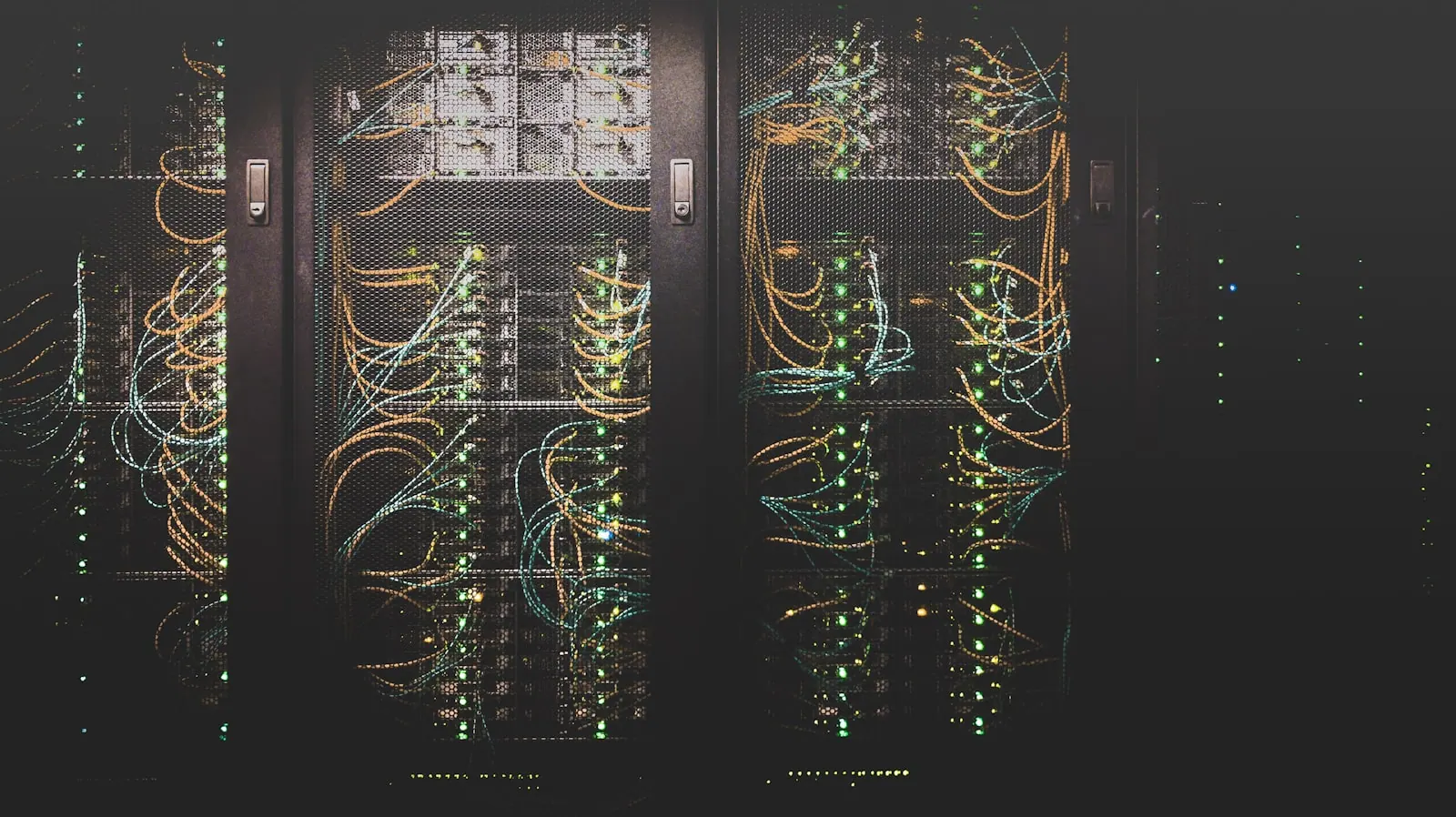
The difference you will notice
- 01No retyping
Data entered once flows to where it is needed.
- 02Failures noticed
Alerts raised before bad data spreads.
- 03Integrations you can change
Clear documentation instead of unknown scripts.
Five steps from assessment to always-on support
- STEP 01Assess
We review your infrastructure, security posture, assets and support model, and agree priorities.
- STEP 02Design
A clear architecture and plan, with scope, timeline and a fixed quote before work starts.
- STEP 03Deploy
We supply, install, configure and migrate, then document everything we build.
- STEP 04Manage
Ongoing support, monitoring and maintenance under agreed SLAs.
- STEP 05Improve
Regular reviews, reports and recommendations as your business grows.
API & Middleware Integration in the UAE and Saudi Arabia
Local offices in Ras Al Khaimah and Riyadh, remote support around the clock and on-site visits where your project needs them.

API & Middleware Integration in the UAE
Shyphan AI Technology LLC, RAK Free Trade Zone, Ras Al KhaimahUAE businesses often connect CRM and ERP systems with e-commerce, logistics, payment gateways and VAT invoicing, so data must flow reliably across all of them. Integrations that move personal data should be logged and limited to the fields needed, in line with the UAE PDPL, and DIFC or ADGM firms should follow their zone's rules. We support the Emirates from our Ras Al Khaimah office, remotely around the clock and on site where needed.
- Data handled in line with the UAE Personal Data Protection Law (Federal Decree-Law No. 45 of 2021), and the separate DIFC and ADGM regimes where they apply.

API & Middleware Integration in Saudi Arabia
Shyphan AI Technologies LLC, Malaz, King Abdulaziz Road, RiyadhSaudi organisations commonly integrate ERP and CRM with ZATCA e-invoicing, payment, logistics and HR systems, which makes reliable data flows essential. Integrations that send personal data outside the Kingdom need care under the Saudi PDPL transfer rules, and entities covered by the NCA Essential Cybersecurity Controls should include integrations in their security reviews. Our Riyadh office leads this work in the Kingdom.
- Work aligned with the Saudi Personal Data Protection Law (SDAIA) and, for government and critical infrastructure, the NCA Essential Cybersecurity Controls.
More in IT Infrastructure Services
 Core serviceSystem IntegrationConnect infrastructure, security tools and business applications so data and alerts flow where they are needed.Service overview
 System IntegrationActive Directory ServicesActive Directory health checks, clean-up, group policy and hybrid identity.Explore service
 System IntegrationSingle Sign-On (SSO) IntegrationOne secure login across your business applications, with MFA and central control.Explore service
 System IntegrationERP & CRM Integration with IT SystemsBusiness applications joined to your directory, service desk and security tools.Explore service System IntegrationIT Automation & ScriptingRoutine IT admin automated with scripts and workflows, tested and documented.Explore service
 IT Infrastructure & NetworkingNetwork Design & InstallationBusiness networks planned from a site survey and installed to a documented design.Explore service
API & Middleware Integration: common questions
What if a system has no API?
We look at alternatives such as database access, file exports or the vendor's integration tools, and choose the most reliable option available.
Do you build custom code or use platforms?
Both. We use integration platforms where they fit and write custom code where a platform would be limiting or costly.
Who monitors integrations after go-live?
We can monitor and support them under a managed service, with failures raised as tickets on our service desk.
Can you integrate Zoho with other systems?
Yes. Zoho integrations are a large part of our work, alongside Odoo, Microsoft 365 and many other platforms.
Can you connect our ERP to ZATCA e-invoicing in Saudi Arabia?
Yes. We connect ERP and invoicing systems to ZATCA-compliant e-invoicing solutions and monitor the flows so rejected invoices are flagged quickly.
What happens when a connected system changes its API?
We track vendor change notices, test integrations against the new version and update them before the old version is retired, under the support agreement.
Do you provide API & Middleware Integration in Dubai and Riyadh?
Yes. We deliver API & Middleware Integration across the UAE from our Ras Al Khaimah office and across Saudi Arabia from our Riyadh office, with remote support 24/7 and on-site visits in cities such as Dubai, Abu Dhabi, Riyadh, Jeddah and Dammam where your project needs them.
Talk to us about API & Middleware Integration
Book a consultation or request a quote. A consultant replies with scope, timeline and a fixed price.
Prefer to talk?