 United Arab Emirates
 Saudi Arabia
VPN & Secure Remote Access
We set up remote access so staff, branches and suppliers can reach company systems safely from outside the office. It is for businesses with remote or travelling staff, or suppliers who need occasional access to specific systems.
- Sign-in with company accounts
- Multi-factor authentication on
- Access limited to what each role needs
VPN and secure remote access services let staff, branches and suppliers reach company systems safely from outside the office. They cover client VPNs, site-to-site tunnels and zero trust access tools, protected by multi-factor authentication, device checks and access rules, so each person reaches only the systems their role needs.
 VPN & Secure Remote Access
: what it involves
Remote access is often set up in a rush and never revisited. Shared VPN accounts, passwords that never change, suppliers with full network access and remote desktop ports published to the internet are all common, and all are well-known routes for attackers. Meanwhile staff struggle with clients that disconnect, and nobody can say who connected last week or what they reached.
We start by listing who needs remote access and to what. Staff connect with their own company identity and multi-factor authentication, devices can be checked before they connect, and each group reaches only the systems it needs rather than the whole network. Suppliers get time-limited, logged access. Where cloud applications make a full VPN unnecessary, we say so and design a simpler approach based on identity and conditional access.
Questions we answer first
- 1Who needs remote access, and to which systems
- 2Which apps are already in the cloud and need no VPN
- 3Whether staff use company or personal devices
- 4Which suppliers connect and how often
- 5Whether remote desktop is exposed to the internet today
Our VPN & Secure Remote Access scope
Remote access for staff and suppliers with MFA and access limited by role.

Client and site-to-site VPN configured on your firewall.
Remote access tied to company identity and a second factor.
Connection allowed only from managed or compliant devices.
Each group reaches only the systems it needs.
Time-limited, logged access for third parties.
Records of who connected, when and to what.
What you receive, and what shapes the cost
What you receive
- Remote access design matched to users, devices and applications
- Configured VPN or zero trust access gateways with MFA
- Role-based access rules for staff and suppliers
- Client deployment to managed devices and short user guides
- Logging of remote sessions with regular access reviews
What affects the cost
- Number of remote users and suppliers needing access
- Choice between a firewall VPN and a cloud-based access service
- Number of applications and sites to publish
- Device compliance checks and identity integration required
VPN & Secure Remote Access: project phases
- 01Assess
We list who needs access, from which devices and to which systems.
- 02Design
We choose the access method and define rules for each role.
- 03Deploy
Gateways, MFA and clients are set up and piloted with a small group.
- 04Review
We monitor sessions and review access rights on an agreed schedule.
Common VPN & Secure Remote Access mistakes
Giving every VPN user the whole network spreads risk, so restrict access by role.
Stolen passwords are a common way in, so require MFA for all remote access.
Shared logins cannot be traced or revoked cleanly, so give each supplier engineer a named account.
VPN gateways are frequent attack targets, so apply firmware updates promptly.
VPN & Secure Remote Access terms explained
- Site-to-site VPN
- An encrypted tunnel that links two office networks over the internet.
- Client VPN
- Software on a user's device that creates an encrypted connection to the company network.
- ZTNA
- Zero trust network access, which grants access to individual applications after checking the user and device.
- Split tunnelling
- Sending only company traffic through the VPN while other traffic uses the local internet.

The difference you will notice
- 01Smaller attack surface
No shared accounts or open remote desktop ports.
- 02Reliable connections
Staff connect consistently from home and on the move.
- 03Clear accountability
Every remote session tied to a named person.
Five steps from assessment to always-on support
- STEP 01Assess
We review your infrastructure, security posture, assets and support model, and agree priorities.
- STEP 02Design
A clear architecture and plan, with scope, timeline and a fixed quote before work starts.
- STEP 03Deploy
We supply, install, configure and migrate, then document everything we build.
- STEP 04Manage
Ongoing support, monitoring and maintenance under agreed SLAs.
- STEP 05Improve
Regular reviews, reports and recommendations as your business grows.
VPN & Secure Remote Access in the UAE and Saudi Arabia
Local offices in Ras Al Khaimah and Riyadh, remote support around the clock and on-site visits where your project needs them.

VPN & Secure Remote Access in the UAE
Shyphan AI Technology LLC, RAK Free Trade Zone, Ras Al KhaimahUAE teams often include staff travelling across the GCC and suppliers abroad, so remote access must check identity and device health wherever users connect. Staff should use only the company-approved remote access tools rather than personal VPN apps, and access logs should be kept as part of security measures under the UAE PDPL. We support the Emirates from our Ras Al Khaimah office, remotely around the clock and on site where needed.
- Data handled in line with the UAE Personal Data Protection Law (Federal Decree-Law No. 45 of 2021), and the separate DIFC and ADGM regimes where they apply.

VPN & Secure Remote Access in Saudi Arabia
Shyphan AI Technologies LLC, Malaz, King Abdulaziz Road, RiyadhSaudi organisations often give remote access to engineers, sales teams and contractors across Riyadh, Jeddah and the Eastern Province, so access should be granted per application and per role. Entities covered by the NCA Essential Cybersecurity Controls must apply strong authentication and logging to remote access, and the Saudi PDPL expects personal data to stay protected wherever it is reached from. Our Riyadh office leads this work in the Kingdom.
- Work aligned with the Saudi Personal Data Protection Law (SDAIA) and, for government and critical infrastructure, the NCA Essential Cybersecurity Controls.
More in IT Infrastructure Services
Core serviceIT Infrastructure & NetworkingDesign, build and maintain the network your business runs on, from a single office to multi-site operations.Service overview IT Infrastructure & NetworkingNetwork Design & InstallationBusiness networks planned from a site survey and installed to a documented design.Explore service 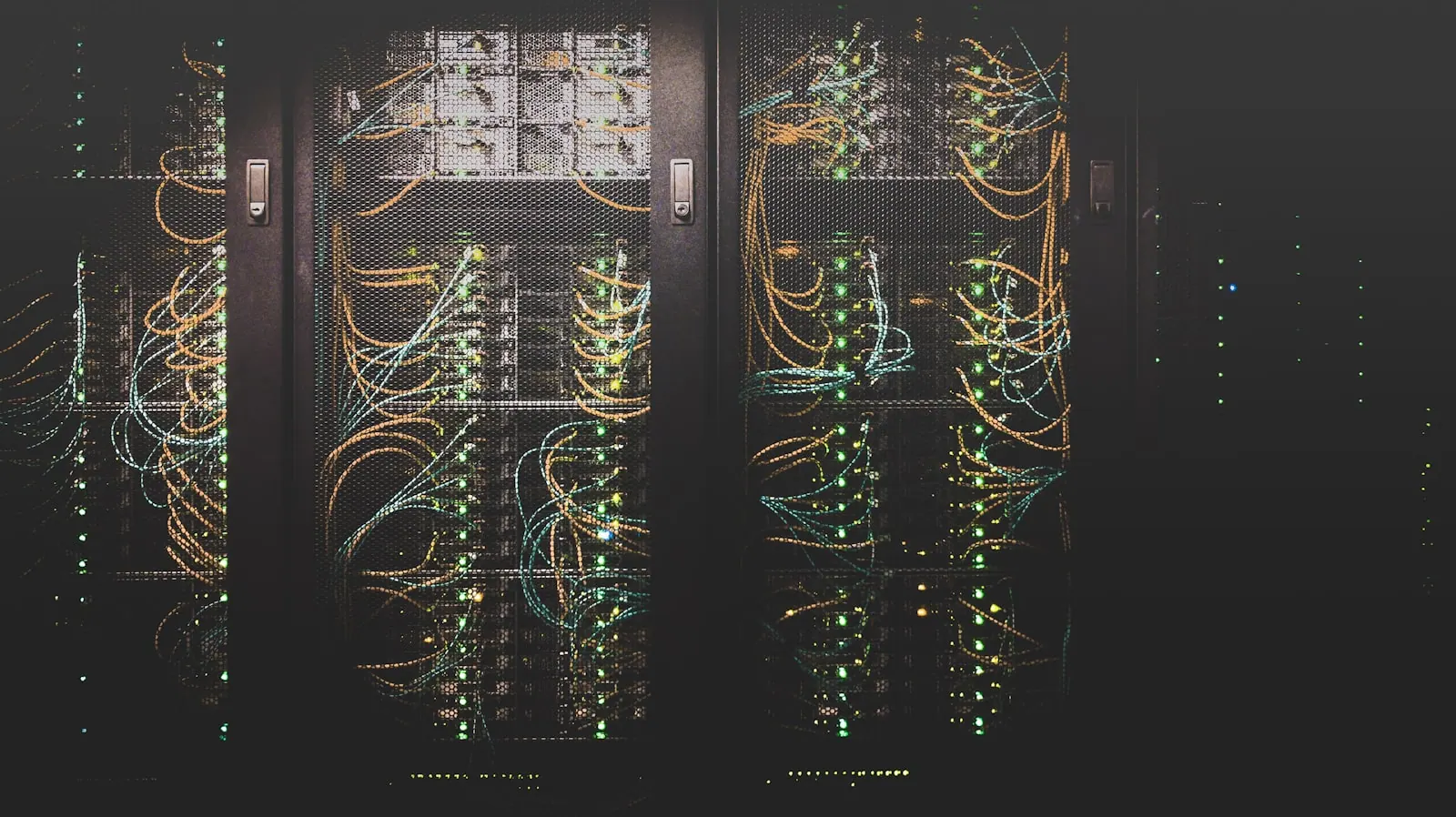 IT Infrastructure & NetworkingStructured Cabling ServicesCopper and fibre cabling, racks and patching, installed tidily, labelled and tested.Explore service IT Infrastructure & NetworkingOffice Wi-Fi InstallationBusiness Wi-Fi planned around your floor plan, with secure staff and guest networks.Explore service
 IT Infrastructure & NetworkingSD-WAN ServicesSecure, managed links between branches that make better use of your internet lines.Explore service IT Infrastructure & NetworkingFirewall Installation & ManagementFirewalls sized, configured and kept current, with regular reviews of your rules.Explore service
VPN & Secure Remote Access: common questions
Do we still need a VPN if we use Microsoft 365?
Possibly not for everyone. Cloud apps can be protected with identity and conditional access, while a VPN may still be needed for on-premise systems.
Can suppliers have limited access?
Yes. Suppliers can be given access to specific systems only, for a set period, with every session logged.
Is MFA required?
We strongly recommend it for all remote access, as passwords alone are easy to steal or guess.
Can you replace our existing VPN?
Yes. We review your current setup and migrate users in stages to the new approach so nobody loses access.
Can suppliers outside the UAE reach one system without seeing the rest of our network?
Yes. We give each supplier engineer a named account with MFA and rules that allow only the specific system and times they need.
Should we replace our VPN with zero trust access?
Not always. A well-configured VPN suits many small businesses, while zero trust access suits organisations with many applications, suppliers or cloud services, and we advise after reviewing your setup.
Do you provide VPN & Secure Remote Access in Dubai and Riyadh?
Yes. We deliver VPN & Secure Remote Access across the UAE from our Ras Al Khaimah office and across Saudi Arabia from our Riyadh office, with remote support 24/7 and on-site visits in cities such as Dubai, Abu Dhabi, Riyadh, Jeddah and Dammam where your project needs them.
Talk to us about VPN & Secure Remote Access
Book a consultation or request a quote. A consultant replies with scope, timeline and a fixed price.
Prefer to talk?